How can Europe better finance the social innovations needed to achieve its Missions?
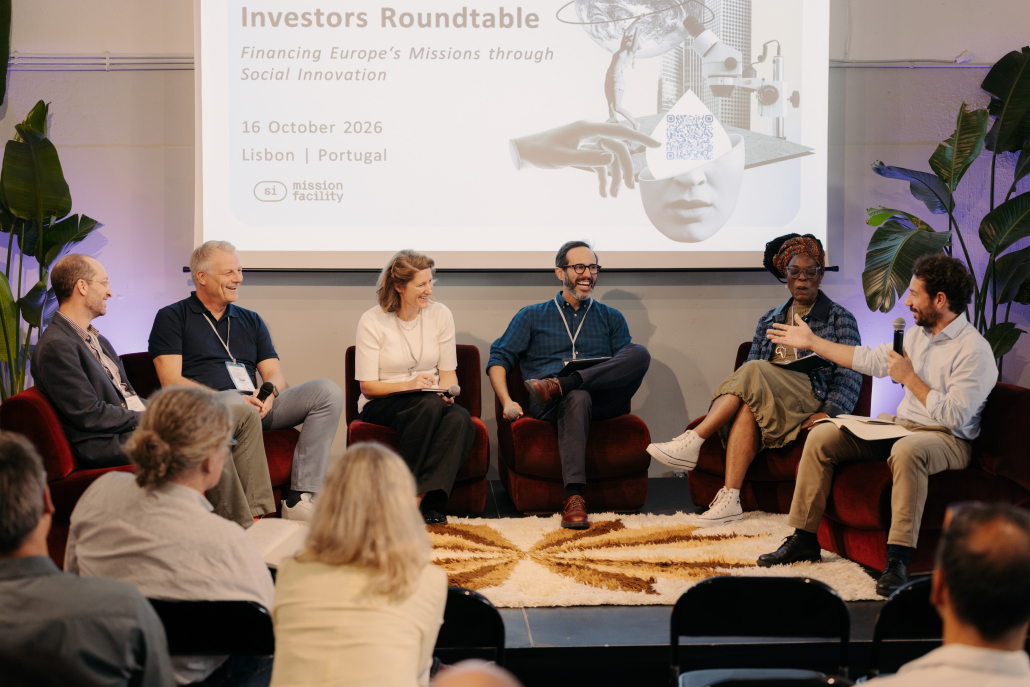
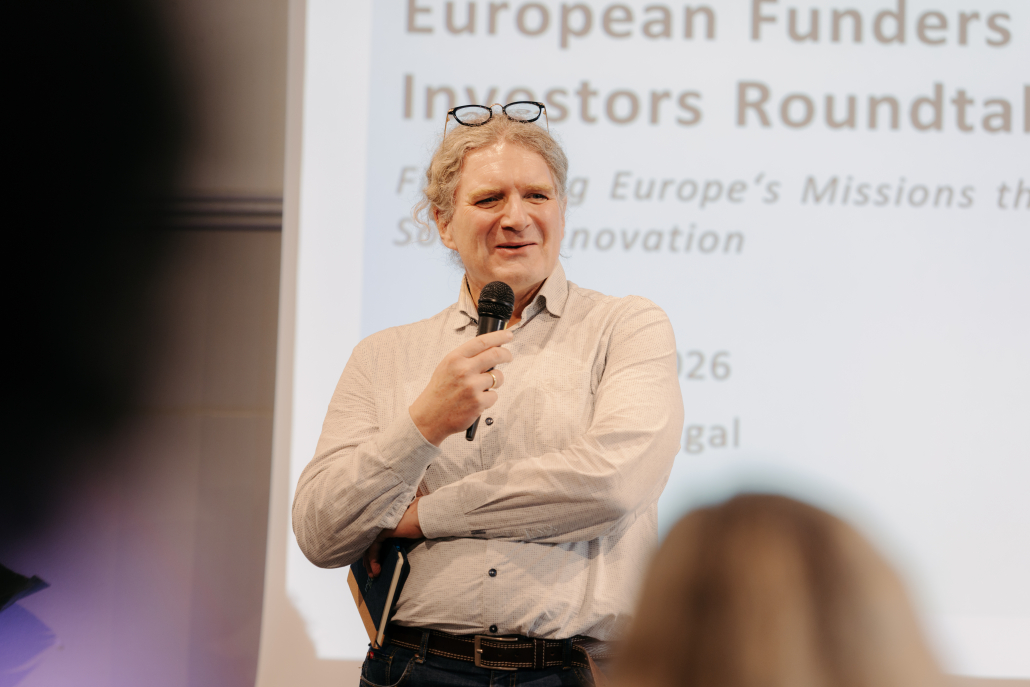
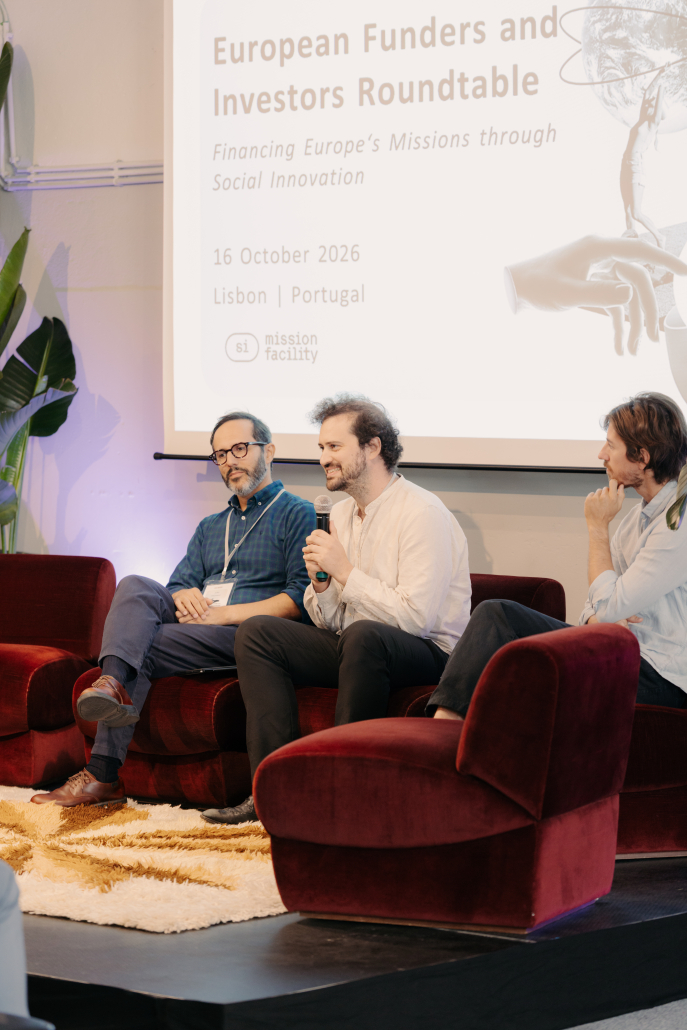
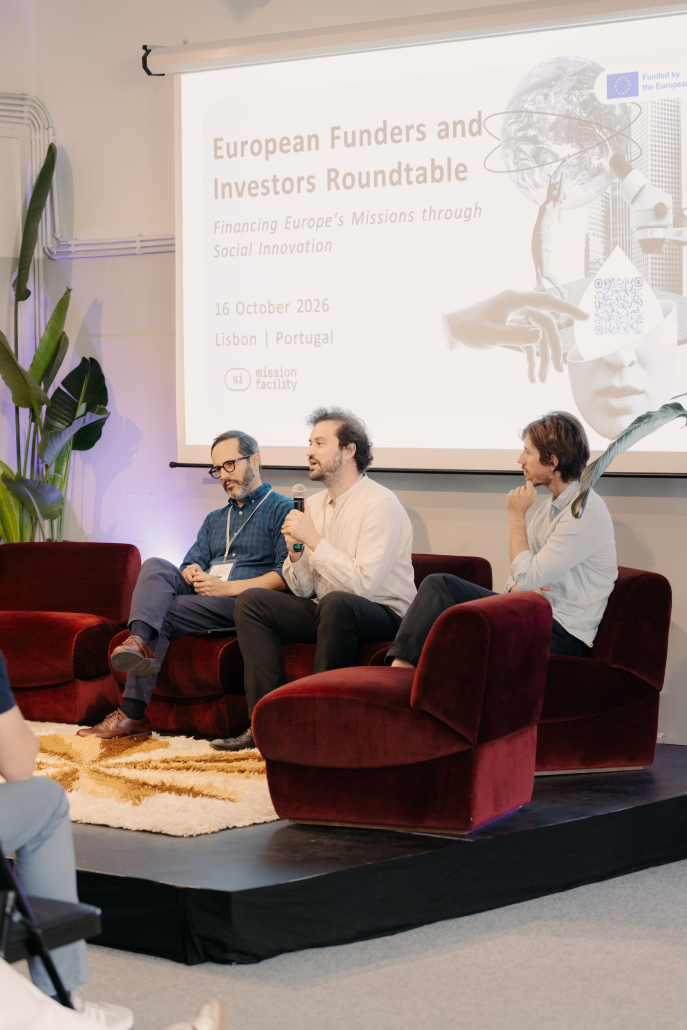
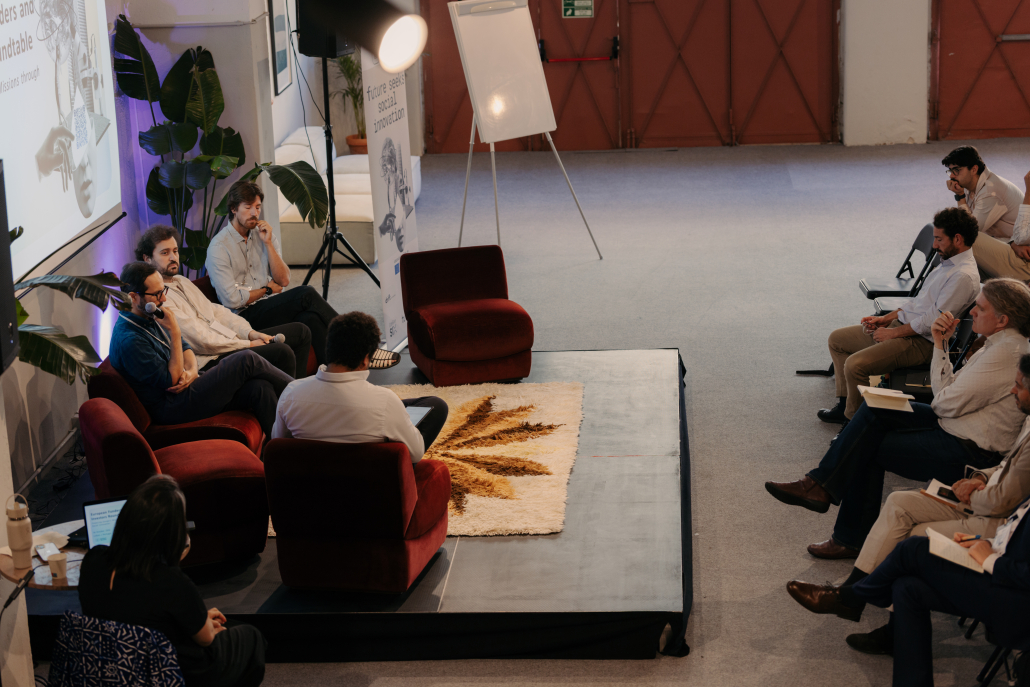
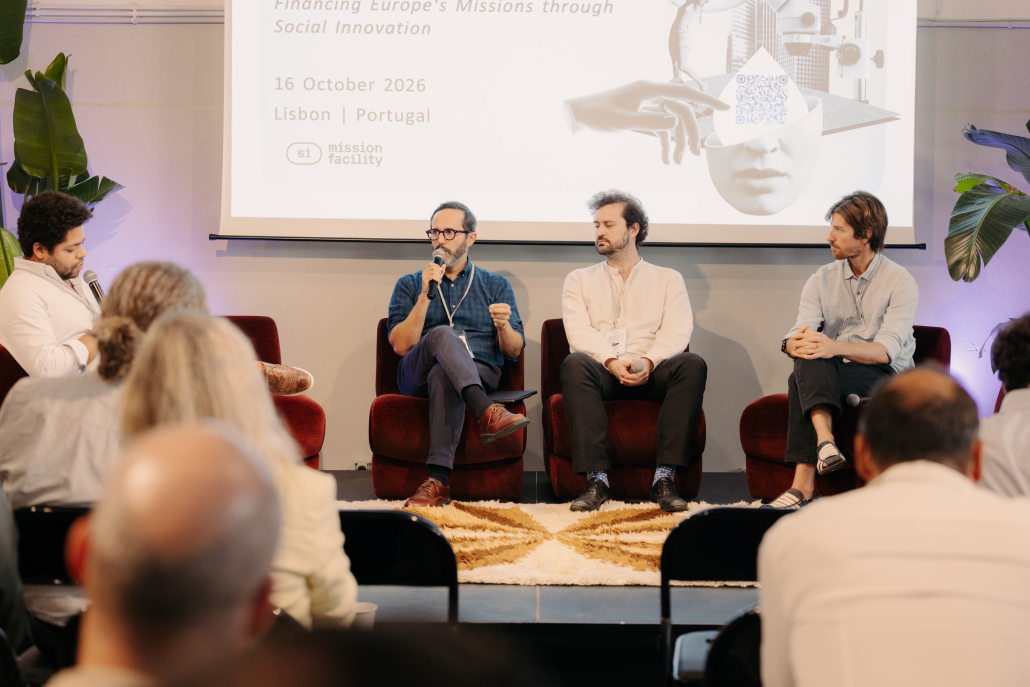
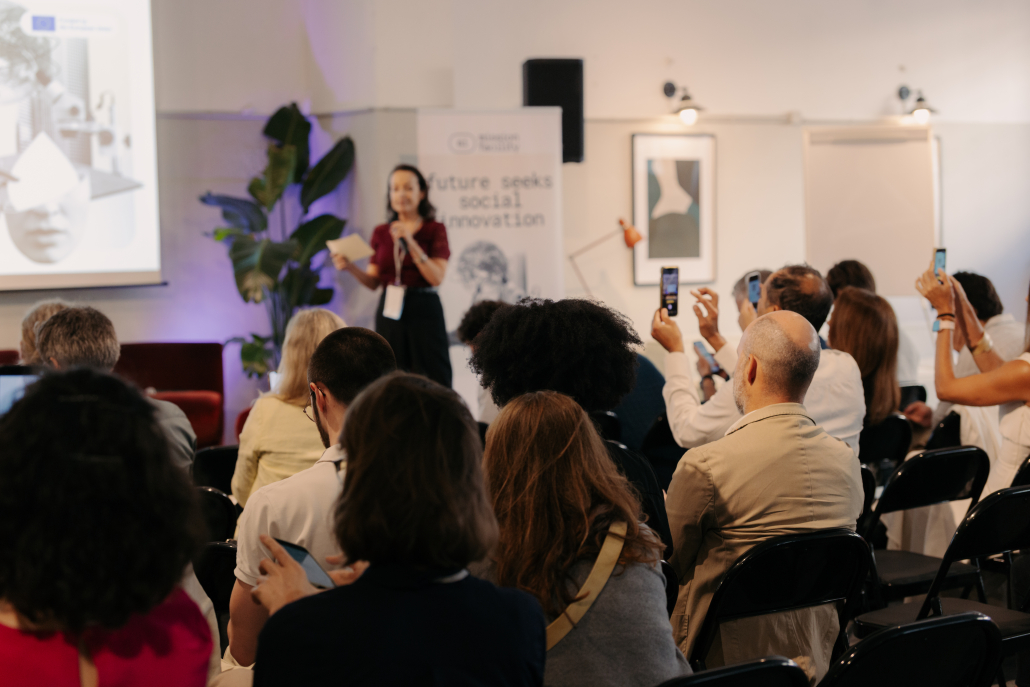
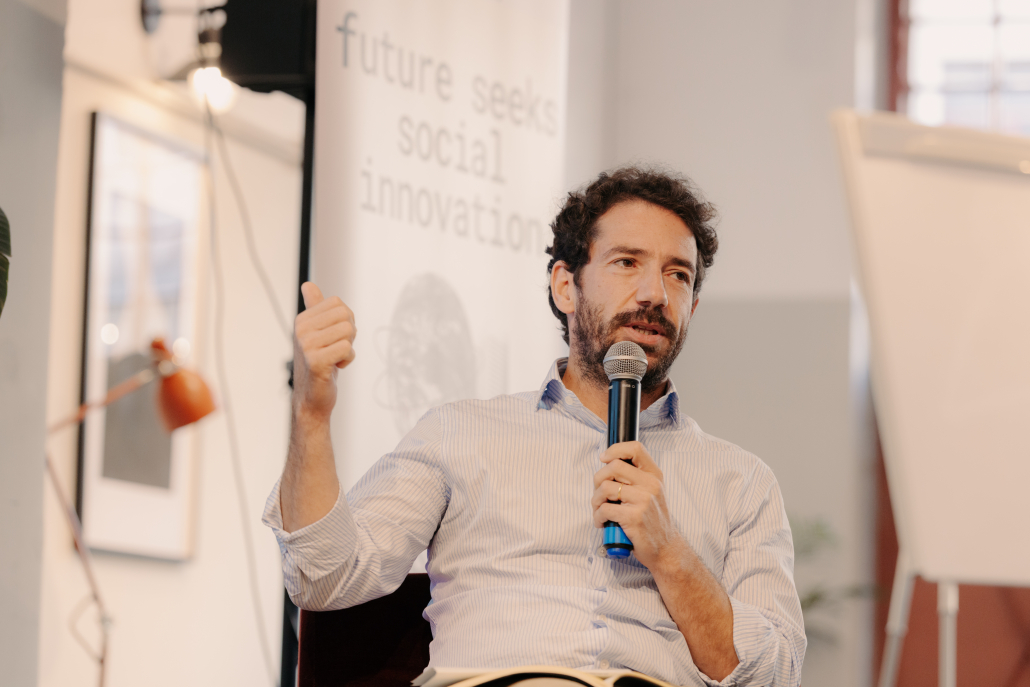
Following the first edition of the SIMF Social Investment Lab, funded by the European Commission (EC) through the Horizon Europe Programme, the conversation continued in Lisbon on 16 October 2026 at the European Funders & Investors Roundtable: “Financing Europe’s Missions through Social Innovation.”
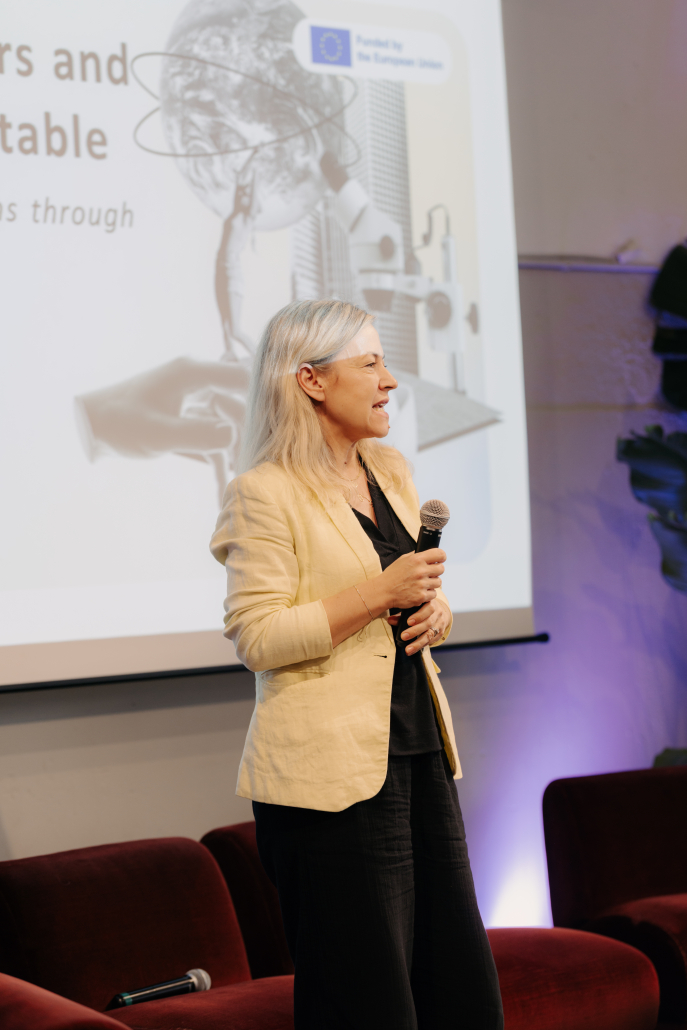
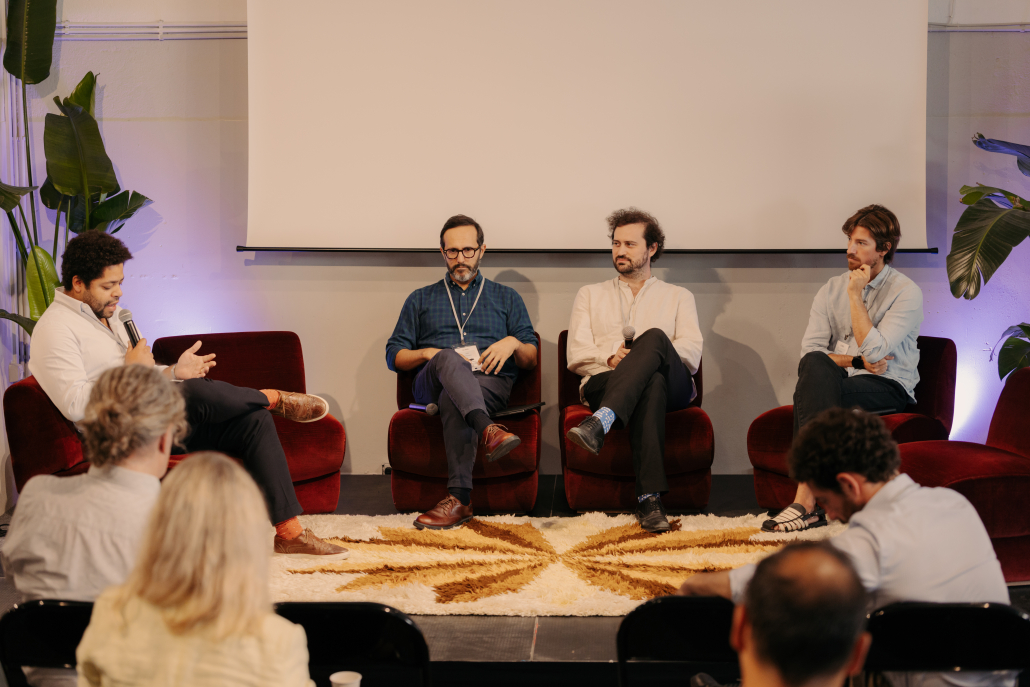
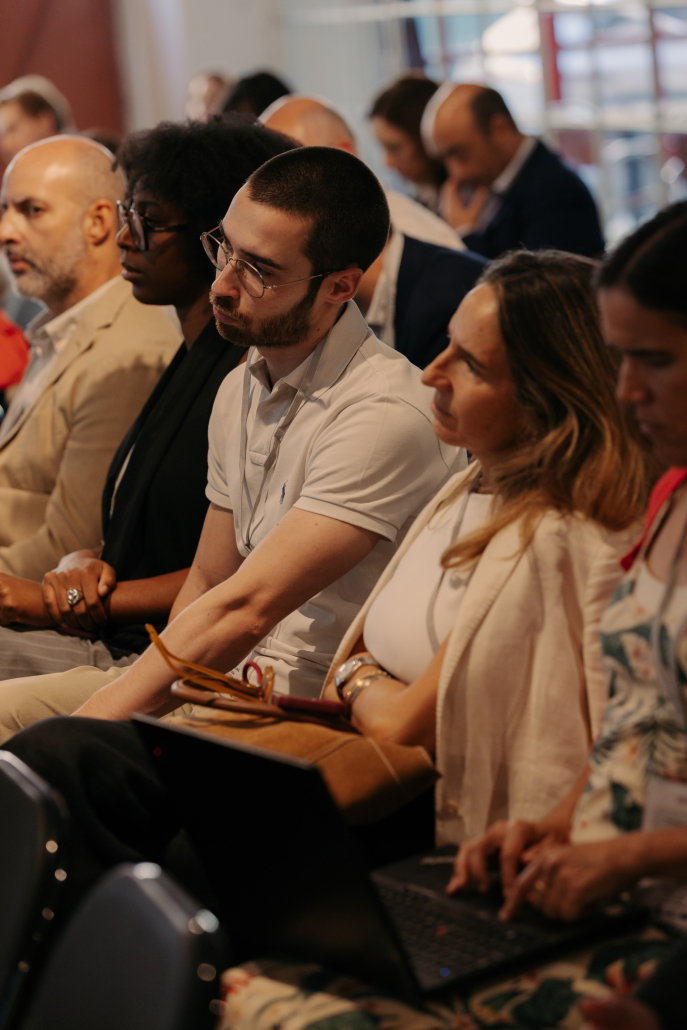
Coordinated by Portugal Social Innovation and EdelGive/SIX, the roundtable brought together funders, investors, philanthropic organisations, policymakers and social innovation leaders to discuss how Europe can strengthen its financing architecture for mission-oriented social innovation.
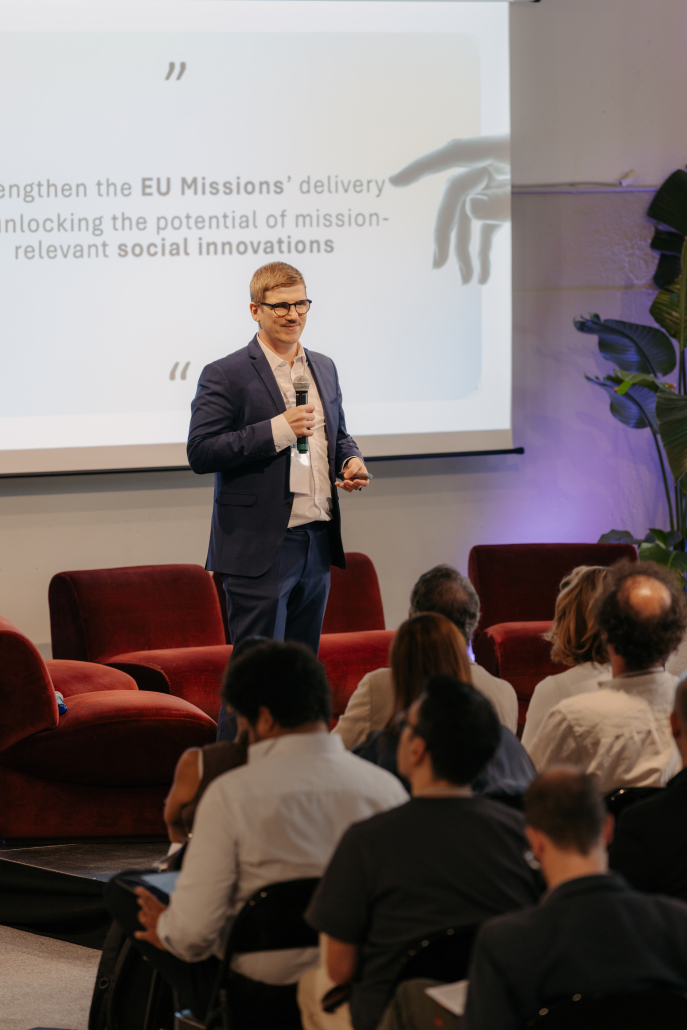
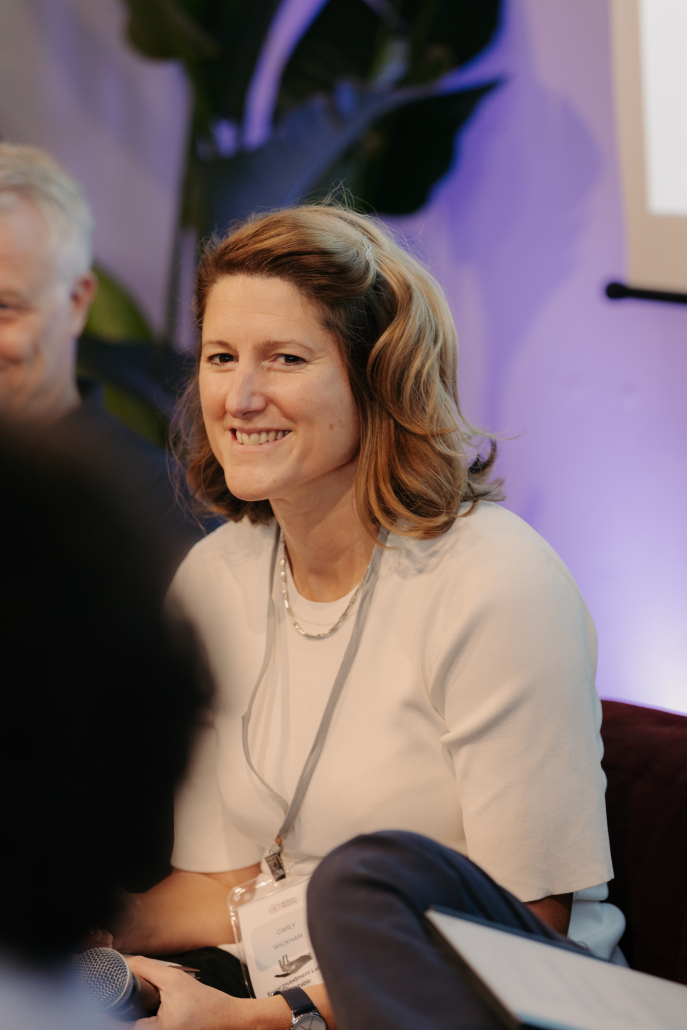
Opening the conversation, Filipe Almeida (Portugal Social Innovation) and Carly Wickham (EdelGive/SIX) framed the strategic purpose of the discussion, followed by Wolfgang Haider (SI Mission Facility), SIMF Coordinator, who presented SIMF’s vision for unlocking the potential of social innovation for the EU Missions.
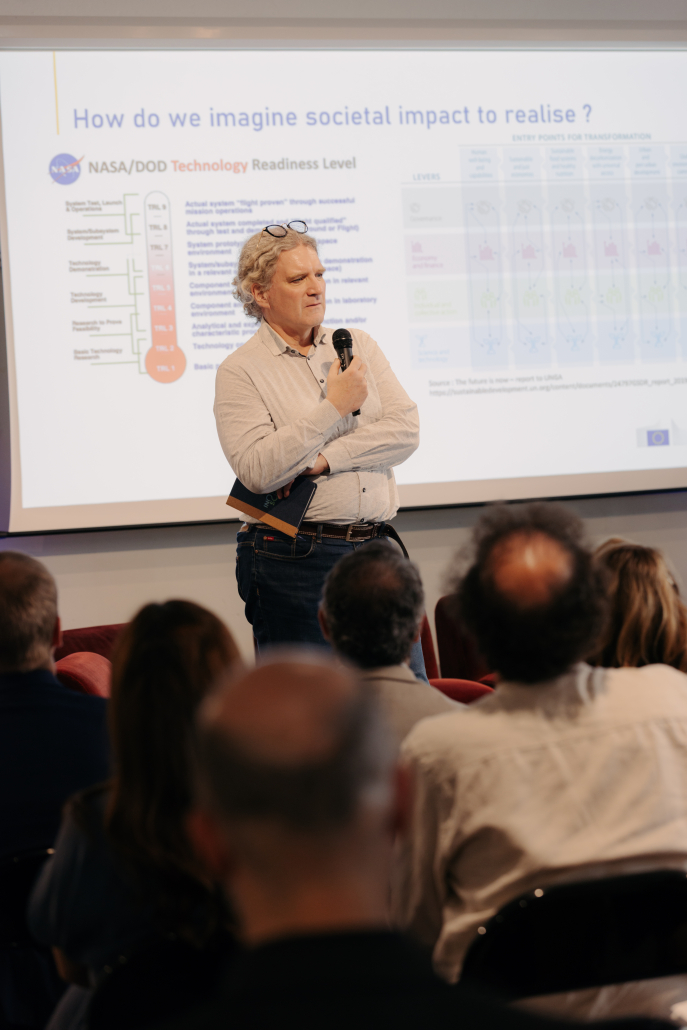
Contributions from Sven Schade and Raluca Painter (European Commission) connected EU policy ambitions with the need for innovative financing architectures and the social dimension of the next Multiannual Financial Framework.
Perspectives from Portugal were shared by Nuno Comando (Casa do Impacto), João Machado (AGEAS Foundation), Bernardo Gonçalves (MyPolis) and Francesco Rocca (Impact Hub Lisbon), highlighting experiences in public innovation, blended finance and ecosystem building.
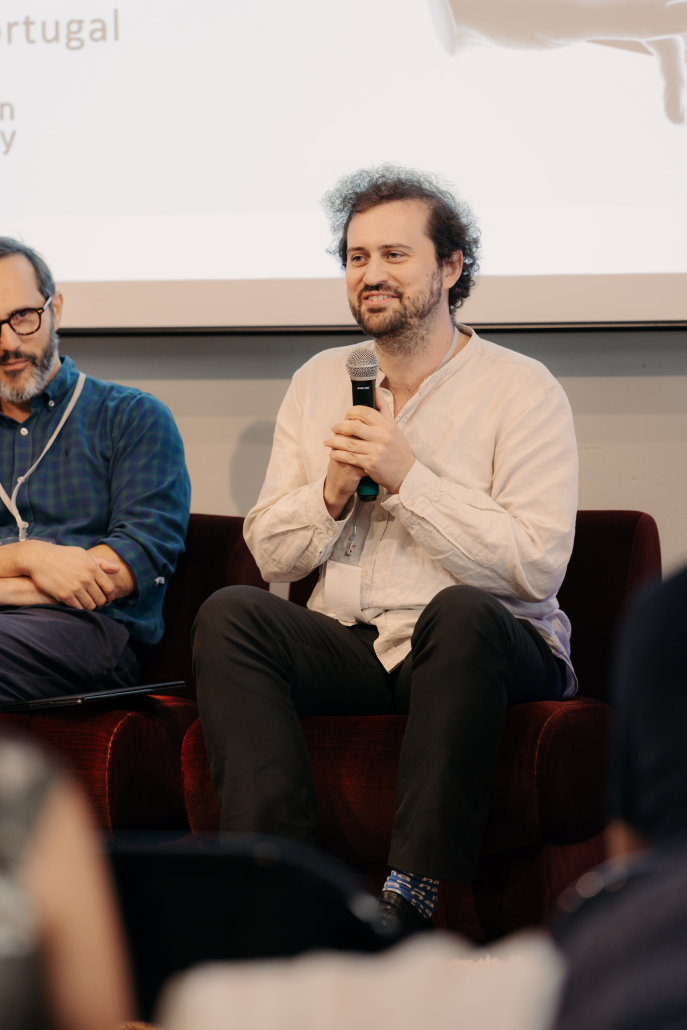
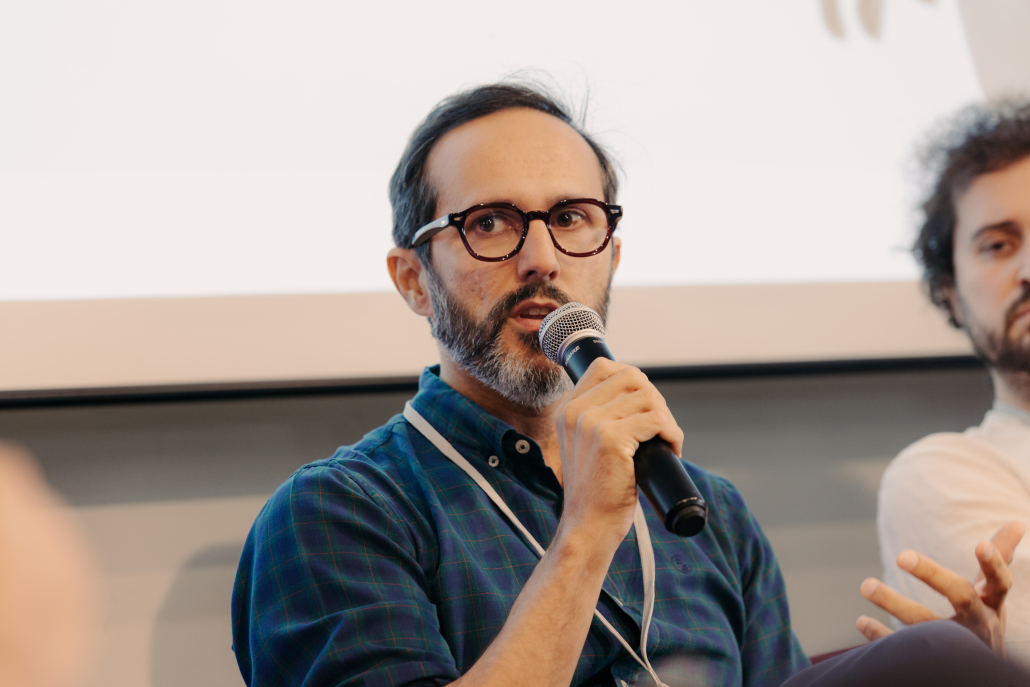
The funder dialogue, moderated by António Miguel (MAZE), brought together Asher Craig (Pathway Fund), Bjoern Struewer (Roots of Impact), Carly Wickham (EdelGive/SIX), João Machado (AGEAS Foundation) and Alan Wagenberg (GSG Impact – Europe) to exchange perspectives on financing social innovation across Europe.
The roundtable was facilitated by Luisa Bernardes (Portugal Social Innovation).
✨ Three themes stood out from the discussions:
1. Connecting policy ambitions with financing mechanisms. Europe’s Missions set ambitious societal objectives. Realising their potential requires financing approaches that connect these ambitions with the needs of social innovators and the realities of implementation.
2. Strengthening the financing architecture for social innovation. Catalytic capital, blended finance and stronger collaboration across public, philanthropic and private funding sources can help promising social innovations develop and grow.
3. Building on experience and working across sectors. Sharing lessons from national and European initiatives can help stakeholders identify what works, where gaps persist and how different actors can contribute.
The roundtable reinforced a central question for SIMF: How can we move from fragmented funding opportunities towards a more connected financing ecosystem that enables social innovation to contribute to Europe’s Missions?
🙏 Thank you to all speakers, contributors and participants for sharing their expertise and helping advance this important European conversation.
We look forward to continuing the dialogue and exploring how these insights can translate into concrete opportunities for collaboration.